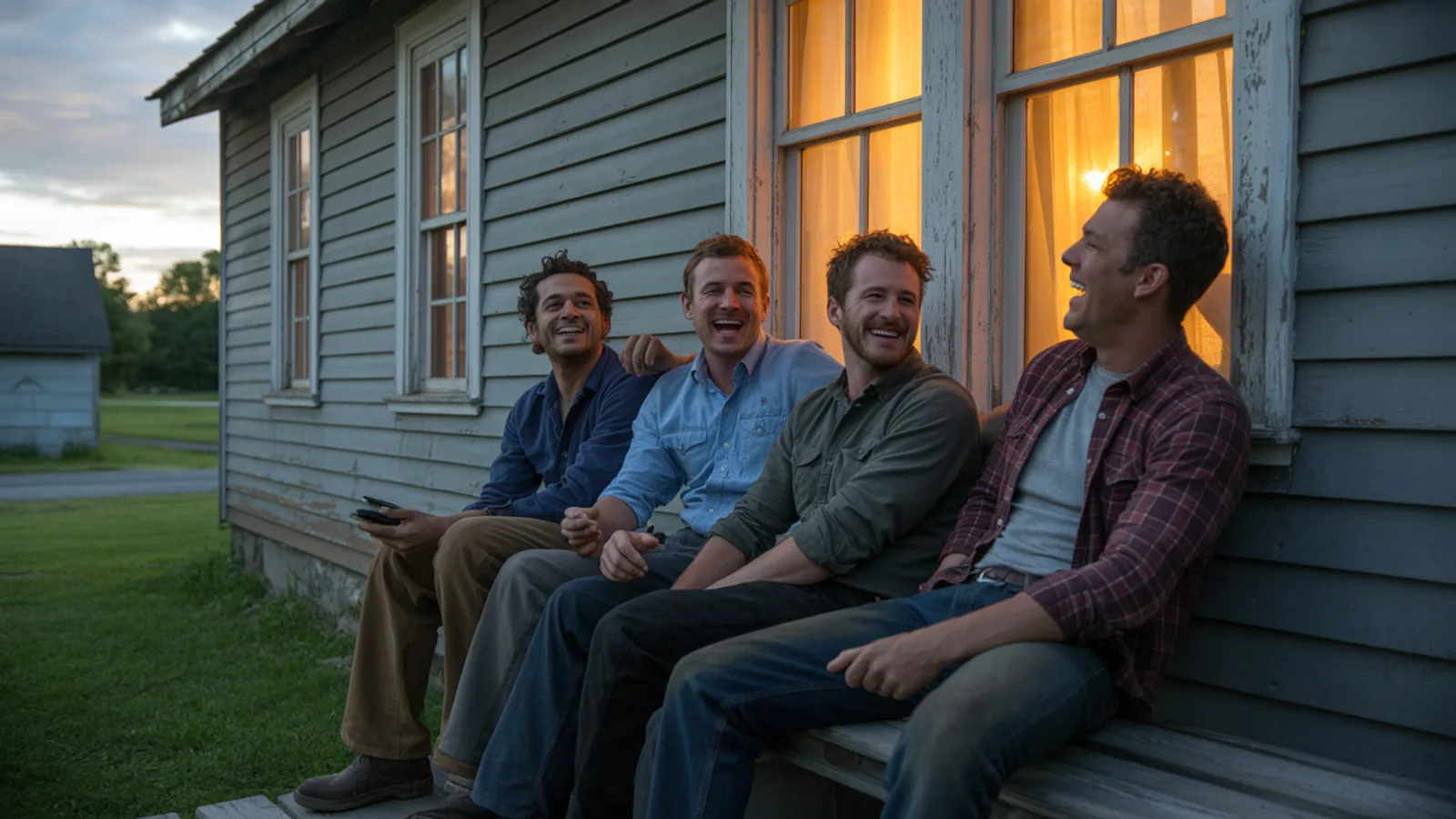
There is a particular kind of loneliness that comes with addiction. It is not the loneliness of being physically alone, though that happens too. It is the loneliness of standing in a room full of people and knowing that nobody there sees the real you. The lies build walls. The shame digs moats. By the time most men arrive at sober living, they have spent years constructing a fortress around themselves and calling it survival.
Brotherhood tears that fortress down. Not all at once, and not without resistance, but steadily and irreversibly. At Realcovery Idaho, we have seen it happen hundreds of times: a man walks in guarded, suspicious, and convinced he does not need anyone. Weeks later, he is sitting across from a housemate at the kitchen table having the most honest conversation of his life. That transformation is not accidental. It is the product of a men-only recovery environment designed to create exactly this kind of connection.
Why Gender-Specific Recovery Matters
Men in recovery face a set of challenges that are, in many cases, specifically masculine in nature. Not because men suffer more or differently than women, but because the way men are socialized to handle suffering creates its own distinct barriers to healing.
Most men are taught from childhood to suppress emotion, to project strength, to handle things alone. These messages come from fathers, coaches, peers, and culture at large. By the time addiction takes hold, emotional suppression is not just a habit. It is an identity. "I am fine" becomes the default response to everything, even when the house is burning down around you.
In a mixed-gender recovery environment, these patterns often persist. Men perform toughness. They compete rather than connect. They censor their vulnerability because admitting weakness in front of women, or in front of men who might judge them in front of women, feels like too great a risk. This is not a criticism of co-ed programs. It is an acknowledgment that the presence of certain social dynamics can reinforce the exact behaviors that need to change.
A men-only environment removes those dynamics. When every person in the room shares the same socialized barriers, the barriers become visible. Men can name them, challenge them, and begin to dismantle them together. The first time a resident says "I am not okay" in a house meeting and the room does not flinch, something shifts. He learns that vulnerability is not weakness. It is the entry point to real connection.
What the Research Shows
Studies published in the Journal of Substance Abuse Treatment have found that gender-specific treatment environments produce higher rates of program completion and longer sustained sobriety compared to mixed-gender settings, particularly for men with histories of trauma, incarceration, or chronic relapse. The reasons are consistent: men in single-gender settings report feeling safer, more willing to participate, and more connected to their peers.
Accountability That Goes Beyond Rules
Every sober living residence has rules. Curfews, drug testing, meeting attendance, house chores. These structures matter, and Realcovery maintains them seriously. But the accountability that changes lives is not the kind written in a handbook. It is the kind that lives in the eyes of the man across the hallway who knows you well enough to see when something is off.
Housemates see things that staff cannot always catch. They notice when you stop making eye contact. They notice when you start isolating in your room. They notice when your answers in check-in become shorter and more rehearsed. They notice because they have been there themselves, and because they share enough daily life with you to recognize the subtle shifts that precede a crisis.
This is the brotherhood catching you before you fall. It is not surveillance. It is love expressed through attention. When a housemate pulls you aside and says "Hey, what is going on with you?" that question carries a weight that no rule or consequence can replicate. It says: I see you, and I am not going to let you disappear.
At Realcovery, weekly house meetings create structured space for this kind of honest conversation. Residents check in with each other, not just about logistics but about how they are really doing. These meetings are not always comfortable. Sometimes they involve difficult truths. But they build a culture where honesty is expected and silence is not mistaken for strength.
Learning from Each Other
One of the most powerful aspects of sober living is the natural mentorship that develops between men at different stages of recovery. A resident who has been at Realcovery for six months carries knowledge that no textbook can teach. He knows what the first week feels like. He knows what to do when the cravings hit at 2am. He knows which meetings in Twin Falls are worth attending and which sponsor in the local AA community will actually return your calls.
This is not therapy. It is lived experience teaching lived experience. And for many men, it is more credible and more impactful than anything a clinician can offer, not because clinicians lack value, but because there is an immediate trust that comes from hearing advice from someone who has walked your exact path and come out the other side.
The mentorship works in both directions. The newer resident gains guidance and hope. The more senior resident gains purpose and reinforcement of his own recovery. Teaching what you have learned is one of the most reliable ways to internalize it. This is why twelve-step programs place such emphasis on sponsorship: helping someone else stay sober keeps you sober.
The Kitchen Table Effect
Some of the most important recovery conversations happen in the most ordinary settings. Over coffee before a morning meeting. While doing dishes after dinner. During a shared ride to work. These informal moments build the connective tissue of brotherhood. They cannot be scheduled or mandated. They happen because men are sharing space, sharing meals, and sharing the daily rhythms of a structured life.
The Recovery Community Beyond the House
Brotherhood at Realcovery is the foundation, but it extends far beyond our walls. Twin Falls has a recovery community that is remarkably active and welcoming for a city of its size.
AA and NA meetings run throughout the week at multiple locations across the Magic Valley. Sponsors are available and engaged. Church communities offer support groups and fellowship opportunities. Recreational leagues, volunteer organizations, and community events provide sober social outlets that many men in recovery have never experienced.
Building relationships outside the house is a critical part of the recovery process. Sober living is temporary. The community you build while you are here is what carries you forward. Men who invest in their broader recovery network during their time at Realcovery leave with a support system that does not depend on any single person, program, or address.
We encourage residents to get involved. Find a home group. Get a sponsor who challenges you. Volunteer at a meeting. Show up for someone else. Every connection you make in the recovery community is another thread in the safety net that will hold you when things get difficult, and they will get difficult. Recovery is not the absence of hard days. It is having people to call when those days arrive.
Building Friendships That Last
There is a question that many men carry into sober living without saying it out loud: "Will I ever have real friends again?" In active addiction, friendships were often transactional, built around shared use, shared dysfunction, and mutual enabling. The connections felt real in the moment but evaporated the second sobriety entered the picture.
The friendships forged in sober living are different. They are built on shared struggle, shared honesty, and shared growth. When you have seen a man at his worst and watched him rebuild, and he has seen you at yours and done the same, the bond that forms is not casual. It is forged in fire.
Many Realcovery alumni stay connected years after leaving the program. They attend each other's milestones. They call when things are hard. They show up. These are not just former housemates. They are the first real friendships many residents have had sober, friendships built on who they actually are rather than the version of themselves they performed while using.
The men you live with in recovery may become the most important people in your life. Not because they are perfect, but because they knew you when you were broken and chose to stay.
What Brotherhood Looks Like in Practice
It looks like a man six months sober driving a new resident to his first meeting because he remembers how terrifying that walk through the door felt. It looks like a house full of men who clean up after each other without being asked because they have learned that respect is not a feeling but an action. It looks like a difficult conversation in a house meeting where someone says the thing nobody wants to hear, and afterwards the whole room is closer because of it.
It looks like ordinary men doing the extraordinary work of learning to be honest, present, and connected.
This Is What Recovery Looks Like
Recovery is not a solo performance. It never has been. The myth of the lone warrior who conquers addiction through sheer willpower is exactly that: a myth. The men who stay sober are the men who let other people in. They build networks of accountability, vulnerability, and genuine care. They learn that needing help is not a character defect but a human requirement.
At Realcovery Idaho, brotherhood is not a marketing concept. It is the mechanism through which recovery happens. Every structure we build, every rule we enforce, every meeting we hold exists to create the conditions under which men can connect with each other authentically and build lives worth living.
If you are considering sober living and wondering whether you can do this, the answer is yes. But not alone. And that is the whole point.
Learn more about Realcovery Idaho and what makes our approach different. Or if you are ready to take the next step, apply online or call us at (208) 731-7354. The brotherhood is waiting.